

TikTok performance marketing for mobile apps is a structured way to test whether a discovery-led channel contributes to measurable user acquisition. It is not a performance guarantee: teams need a defined audience, credible app events, creative learning, and a scale-or-stop rule before they increase spend.
TikTok Performance Marketing: A Mobile-App Test Framework
Treat a TikTok test as a decision system, not an install-volume exercise. Define the event and quality signal, then agree what would support scaling, iteration, or stopping.
Why TikTok Is Becoming a Performance-Test Candidate for App Marketers
For mobile teams, the question is whether the channel can be evaluated against an acquisition objective without mistaking engagement for business value. TikTok’s app-ad documentation describes MMP measurement, while its testing guidance covers hypothesis-led experiments, split tests, and incrementality studies. That makes it reasonable to test, not to assume it will work. Review the platform’s app-attribution setup guidance before treating reported installs as decision-ready evidence.
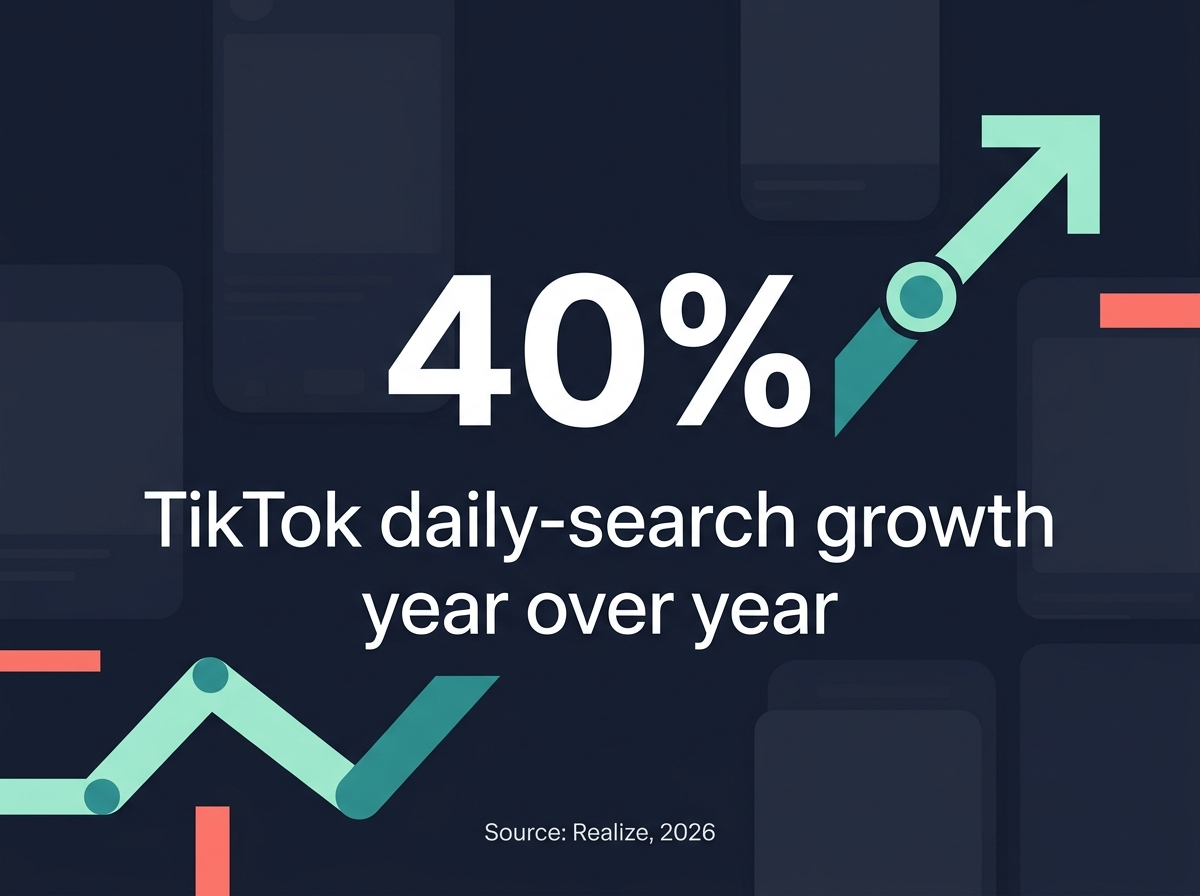
A 2026 platform-industry update reported a 40% year-over-year increase in TikTok daily searches. That is a directional discovery signal, not evidence of campaign effectiveness for any app. The practical implication is to test whether that environment produces qualified downstream actions for the app’s own audience. Read the reported trend.
Set the Test Question Before You Buy Media
A useful test begins with one decision, not a broad request for more installs. Define the primary event, the quality event that follows it, the audience boundary, and the budget or time window that makes the result useful.
Then state the comparison: a control region, holdout audience, existing-channel baseline, or pre-agreed benchmark. TikTok describes Conversion Lift Studies using randomized exposed and control groups, but eligibility must be confirmed for the advertiser’s account. See TikTok’s Conversion Lift Study overview. Features and requirements can vary by account, market, MMP setup, consent implementation, and policy changes.
Gadmobe’s channel-test scorecard
Use this planning scorecard before launch:
- Objective: one commercial question and one primary event.
- Event quality: app events are defined, deduplicated, and intelligible to the reviewing team.
- Control or holdout feasibility: a credible comparison is available, even if it is not a platform lift study.
- Creative learning: each test isolates a meaningful variable and records what changed.
- Scale or stop rule: the decision threshold and next action are agreed before results arrive.
This is Gadmobe’s planning framework, not campaign proof.
Build a Mobile-App Measurement Plan: Events, Attribution Windows, and Holdouts
Mobile performance advertising needs a plan that connects an ad interaction to an app event the business values. TikTok’s MMP documentation describes server-to-server app tracking and supports click-through and view-through attribution models. TikTok ad conversion tracking and attribution windows affect how credit is assigned, so document windows, MMP configuration, and event definitions. Review TikTok’s MMP tracking documentation.
Keep two questions separate: “Did the platform attribute an event?” and “Did the campaign create incremental value?” The first is operational reporting; the second needs a comparison design. Where holdouts are impractical, state that limitation and do not present attributed installs as causal proof. Confirm measurement choices and applicable obligations for the advertiser’s specific setup.
Creative Testing Without Chasing Low-Quality AI Volume
Creative testing should answer a customer and product question, not reward the fastest route to cheap impressions. TikTok’s guidance recommends a clear hypothesis and testing one variable at a time. Its Split Test Best Practices describe creative- and audience-variable testing. Keep a learning log: hook, audience, offer, event outcome, and why a variation advances or stops. This supports mobile game marketing on TikTok and other app categories without treating either as a guaranteed outcome.
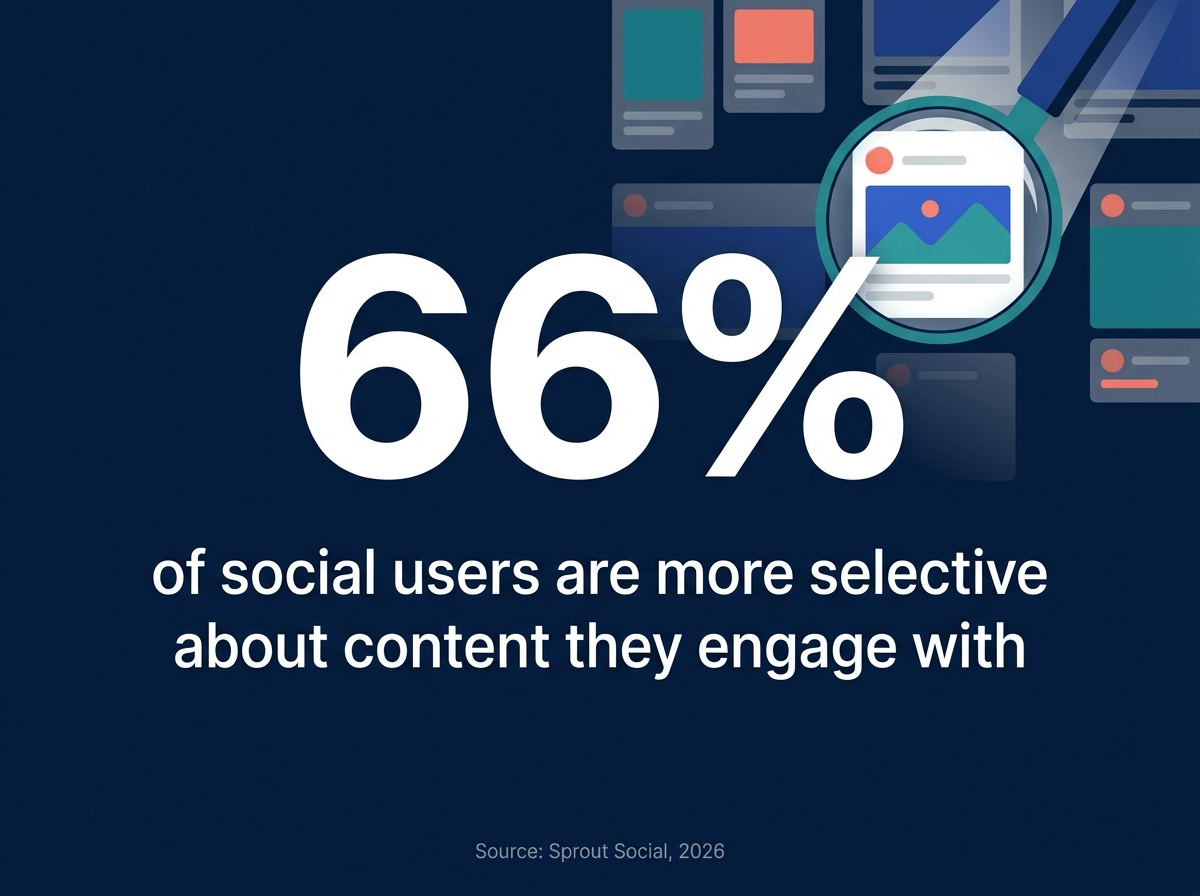
Sprout Social reported in 2026 that 66% of social users had become more selective about the content they engage with. That is not a mobile-app conversion benchmark, but it reinforces a useful discipline: creative should earn attention from the intended audience and then be judged by the agreed quality event, not vanity engagement alone. Read the report.
How to Read Results: Scale, Iterate, or Stop
At the end of the test, first verify delivery integrity: did the intended audience, events, and attribution settings run as planned? Then compare event quality and cost against the pre-agreed rule, including whether a control or holdout changes the interpretation.
Scale only when the core objective and quality signal hold together. Iterate when one variable has a documented learning path. Stop when tracking is unreliable, quality events miss the threshold, or no credible comparison supports additional spend. The purpose of tiktok user acquisition testing is a defensible next decision, not an automatic budget increase.
When Managed Mobile Performance Advertising Adds Value
Teams that want an exploratory conversation about a channel-neutral mobile performance test plan can contact Gadmobe. Gadmobe’s mobile performance advertising service and mobile app user acquisition service provide relevant commercial starting points; confirm the appropriate scope for a specific brief before relying on a delivery model or platform capability.
For additional measurement context, see Gadmobe’s mobile performance advertising measurement guide. Bring the business question, events, comparison approach, and stop rule to the discussion so the first decision is whether a test is worth running at all.