

A low CPI can look like progress while buying players who do not retain or generate sufficient downstream value. An app user acquisition strategy for mobile games should therefore ask a harder question: which acquired cohorts are creating sustainable player value?
For publishers, that reframes what is measured and what gets scaled. Installs remain a delivery signal, but they should be interpreted beside retention, payer quality where relevant, and forecast lifetime value (LTV). The objective is not a universal ROAS promise. It is a repeatable way to decide where additional budget is justified, where learning should continue, and where a campaign should pause.
Why Mobile Game UA Is Moving Beyond Install Volume
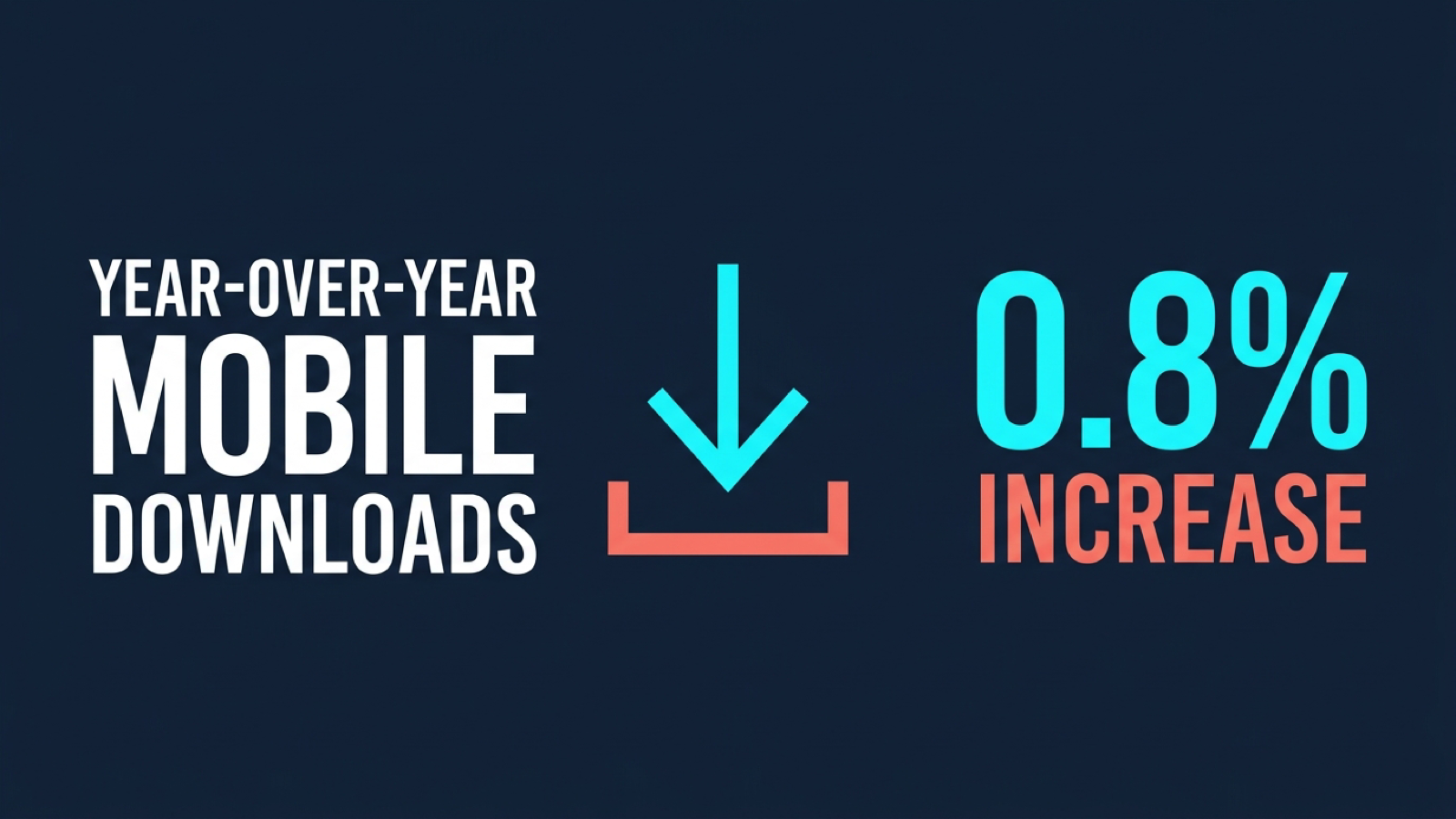
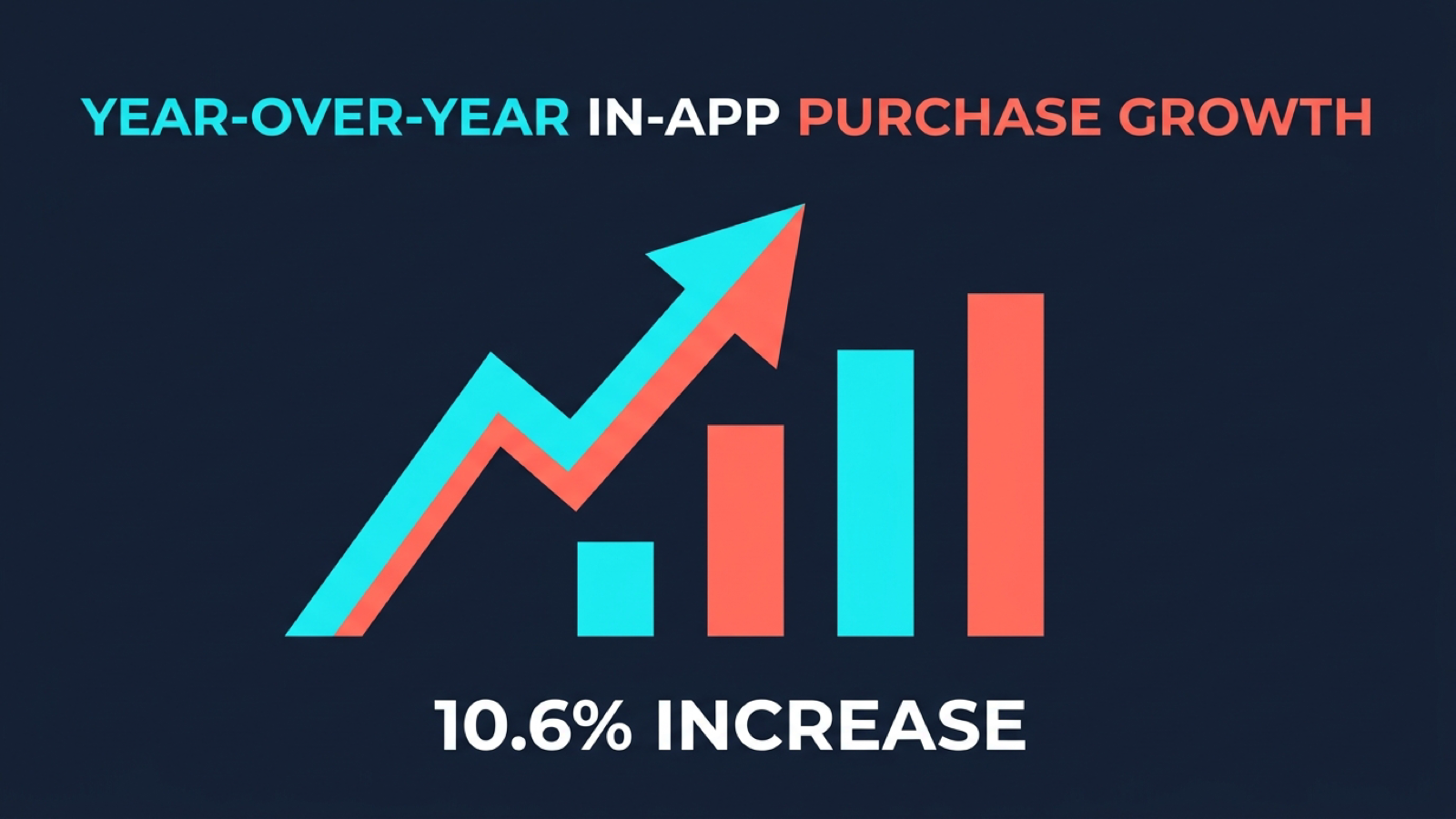
Market context helps explain the shift. Deconstructor of Fun’s State of Mobile 2026 reports year-over-year mobile downloads rose 0.8%, while in-app purchase growth rose 10.6%. These are market figures, not Gadmobe or publisher benchmarks, and they do not prove causality. They do, however, reinforce a practical UA discipline: assess the value users create after installation, not only the volume of paid installs.
A cheaper install can still be a weak acquisition outcome if the creative attracts people who do not return. Admapix’s mobile game marketing playbook describes a durable approach as a learning loop connecting creative tests, paid acquisition, and retention data. That is more useful than treating CPI as the finish line.
The Player-Value Metrics That Should Set Acquisition Decisions
Connect acquisition cost to early retention, payer quality, and forecast LTV
Start with a measurement chain the team can inspect: acquisition cost, early behavior, retention, payer conversion where relevant, and forecast LTV or ROAS. Event definitions, attribution windows, and revenue patterns differ by platform, genre, monetization model, and measurement setup. A team should not import another game’s threshold as a rule.
Early post-install behavior can be useful when it is validated against later cohort value. Tutorial completion, meaningful session depth, or an appropriately governed ad-engagement event may be candidate signals. Playio’s 2026 ROAS trends guide discusses using first-day behavior to assess user quality for campaign decisions. Document what the selected signal predicts, the observation window, and the point at which it is no longer reliable.
Use cohort-level targets rather than one blended CPI target
A blended CPI can conceal low-value pockets. Compare like-for-like cohorts by market, platform, channel, creative concept, and acquisition period. Review cost, retention, and value progression together before moving budget. This makes it clearer whether a change improved acquisition quality or merely increased inexpensive volume.
Outside benchmarks are context, not a replacement for the game’s own data. Gadmobe’s CPI versus CPA guide provides a useful companion on pairing an acquisition-cost metric with a downstream action or value definition.
Build a Mobile Game User Acquisition Strategy Around Learning Loops
Define the event and value signal before scaling spend
Before launch, agree on the business outcome, the early proxy signal, the measurement window, and the decision owner. A practical scorecard states the minimum evidence needed to keep learning, the evidence required to scale, and the conditions that trigger a pause. This turns a mobile game user acquisition strategy into an auditable operating process rather than a response to daily CPI movement.
Test creative, audience, market, and store-page hypotheses separately
Avoid changing every variable at once. Give each experiment one stated hypothesis: whether a creative promise attracts a better-fit player, whether a market or audience produces stronger retained cohorts, or whether a store-page message matches the ad more closely. Gamelight’s 2026 mobile game marketing guide presents creative as an increasingly important performance lever as platform-level targeting becomes more constrained.
Use separate test cells, consistent observation windows, and a written readout. If a concept improves install cost but weakens the agreed quality signal, hold or revise it rather than expanding on volume alone. Channel choices should follow evidence, not a fixed platform hierarchy. For a complementary view of balancing channels and objectives, see Gadmobe’s mobile performance advertising channel-mix guide.
Set scale, pause, and creative-refresh decisions from observed cohorts
Set rules before results arrive. Scale only when cohorts meet agreed efficiency and quality conditions across enough observations to be directionally useful. Pause when cost rises without compensating value evidence. Refresh creative while preserving a control so the team can distinguish a genuine improvement from normal variation.
Thresholds should reflect the specific game and commercial model, not a universal industry average. Where a portfolio involves categories with additional platform, legal, or market restrictions, obtain appropriate internal review before applying campaign guidance.
How Game Genre and Monetization Model Change the Plan
Genre and monetization model change which early signals deserve attention. A casual ad-supported game, for example, may use a different value proxy from a title whose economics depend more heavily on payer progression. Define value to fit the player experience and commercial model, then test whether the chosen proxy predicts later outcomes. Keep game-design choices separate from UA governance.
A Practical 90-Day Operating Plan for Value-Led Game UA
In the first 30 days, audit the funnel, event definitions, cohort reporting, creative inventory, and decision rights. During days 31–60, run one-variable creative, audience, market, or store-page tests with scheduled cohort reviews. In days 61–90, retain the strongest learning loops, retire inconclusive tests, and formalize scale, pause, and refresh criteria.
This operating plan does not remove uncertainty. It makes budget decisions traceable to observed player behavior. Teams exploring support for performance media, measurement, and test governance can start with Gadmobe’s mobile app user acquisition services and mobile performance advertising support.
When to Bring in a Mobile UA Partner
A partner may be worth exploring when a team lacks a testing cadence, cannot reconcile creative and cohort reporting, or wants an external perspective on its decision framework. Begin with objectives, available data, operating constraints, and the unanswered questions—not a promised result.
App User Acquisition Strategy: From Install Volume to Player Value
A value-led app user acquisition strategy gives mobile game teams a more useful decision system than install volume alone. If you would like to explore a measurement-aware mobile app user acquisition plan for a specific game and market, contact Gadmobe for a scoped consultation.