

The next mobile performance advertising budget should not automatically follow last quarter’s lowest reported cost. Ask not “Which channel wins?” but “Which channel deserves a controlled next test?”
That distinction matters for mobile app user acquisition. A channel can reach a relevant audience and still be wrong to scale if creative is unready, post-install quality is weak, or measurement cannot distinguish reported credit from incremental growth.
What is changing in mobile performance advertising
Search, social and display can remain useful baselines, while the incremental test set broadens. Video can demonstrate a product benefit; commerce media can create context around shopping intent; and programmatic can extend reach where inventory, audience and quality controls are appropriate. Availability and app-install fit vary by market, vertical and account.
The IAB/PwC 2025 Internet Advertising Revenue Report announcement, published 16 April 2026, provides exploration context. Market-level growth is not evidence that a particular app advertiser will reproduce the outcome. Use it to form a hypothesis, then evaluate the channel against your own audience, economics and quality standards.
Video, commerce media and programmatic: the signals worth testing
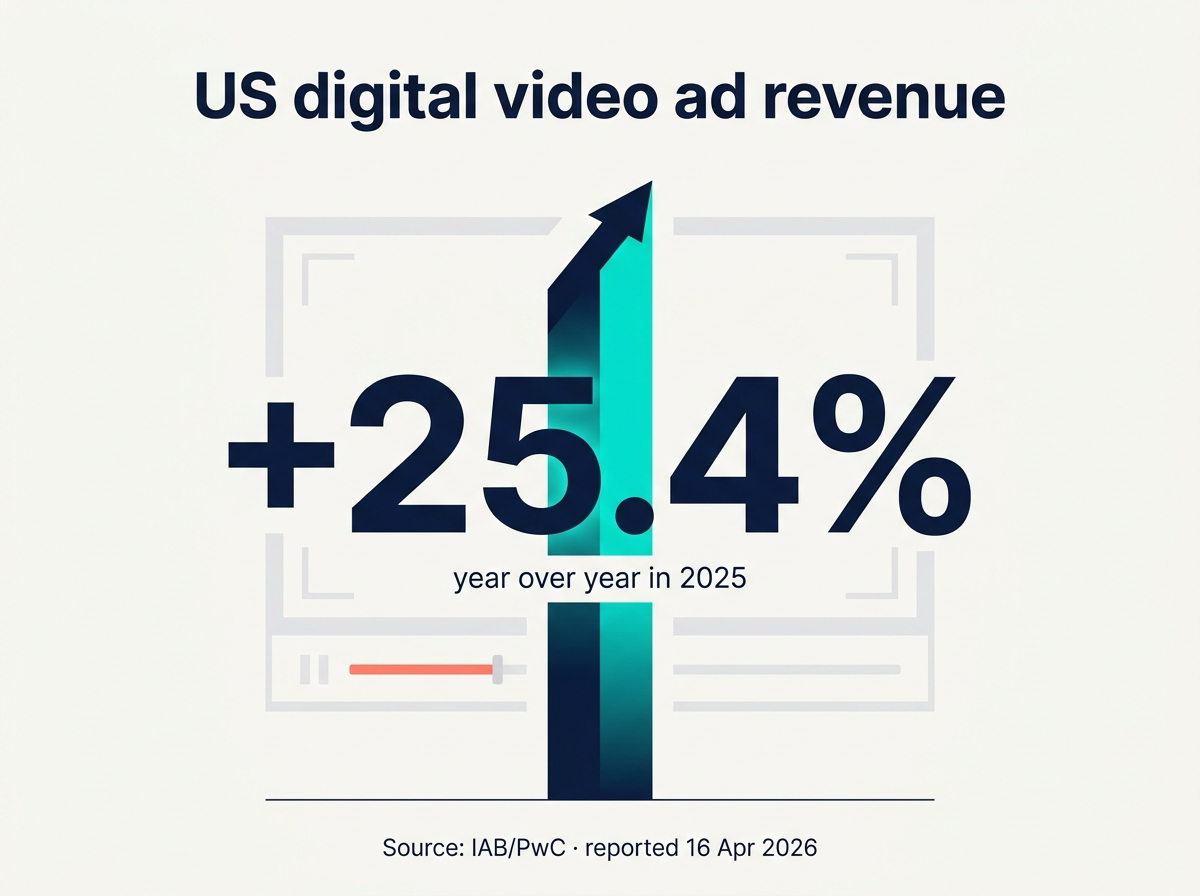
The IAB/PwC announcement reported US digital video advertising revenue growth of 25.4% year over year in 2025. Video is a reasonable hypothesis when an app’s benefit, gameplay loop or use case can be understood quickly. It is not evidence of lower CPI, stronger retention or causal lift. Can this audience understand the value proposition in the opening seconds?
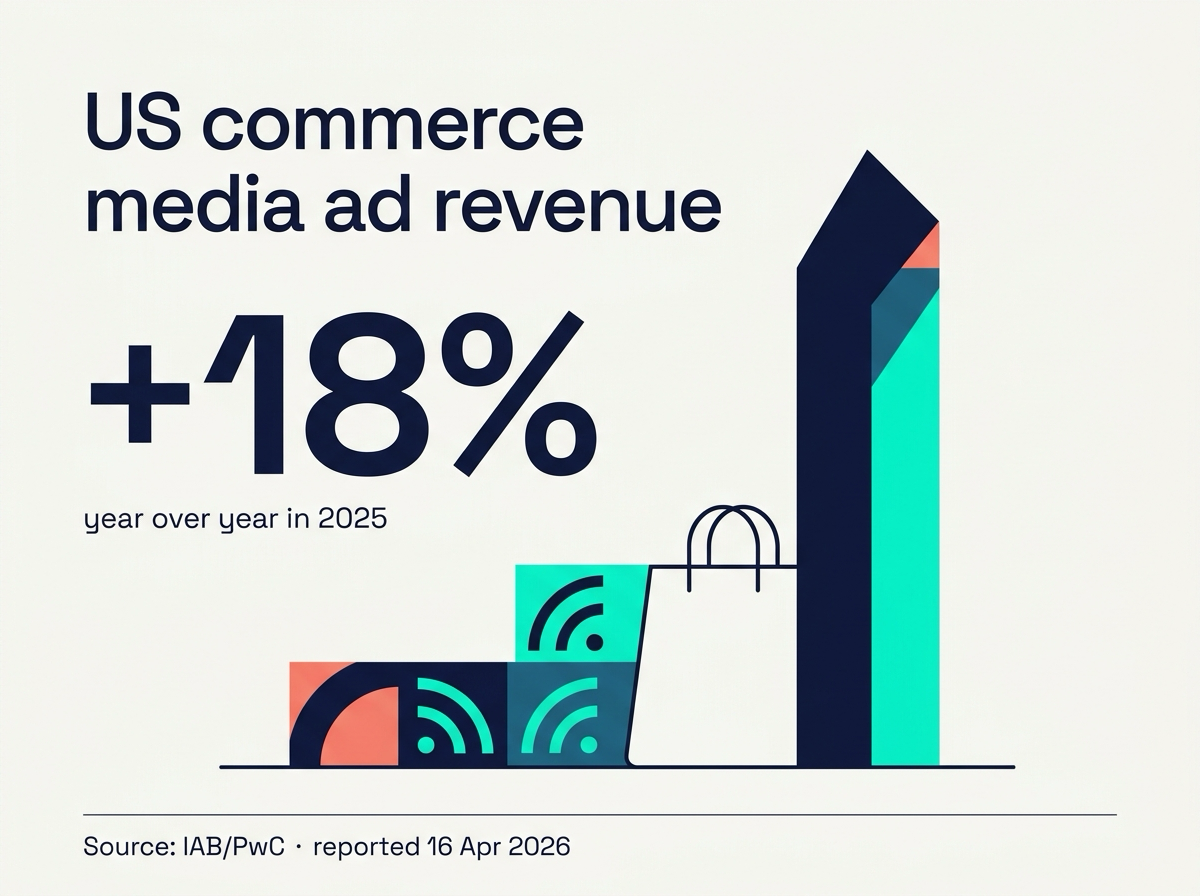
The same announcement reported US commerce media advertising revenue growth of 18% year over year. That can justify a test for a mobile app promotion with a credible shopping-adjacent use case, not a blanket acquisition tactic. Review audience context, creative proposition, applicable data-sharing terms and the downstream app-store journey first.
Programmatic deserves comparable discipline. Specify inventory-quality, suitability and invalid-traffic controls before launch; the Media Rating Council invalid-traffic standards addendum is useful governance context. Dashboard delivery alone is not decision-ready proof.
Google’s 2026 Marketing Live collection highlighted Demand Gen updates and AI-enabled commerce capabilities across Google surfaces. Treat them as potential test surfaces only after confirming rollout, eligibility, policy fit, measurement and app-install fit. Announcements do not establish universal access or proven app-growth outcomes.
How to prioritize a channel test
Start with the growth constraint and audience fit
Name the constraint before naming the channel: qualified first installs, a defined audience, reactivation, or post-install quality. Match the goal to a reachable audience and a credible reason the format can communicate the app’s value. This stops mobile advertising tests from becoming reach exercises detached from the product funnel.
Confirm creative and destination readiness
A new channel cannot repair a vague offer or disconnected destination. Define one core message, adapt it to the placement, and ensure the app-store listing or landing experience carries the same promise. Isolate one meaningful variable—opening visual, message, audience or placement—rather than changing several at once. Google Ads Experiments, its custom-experiment guidance, and Meta’s A/B testing guidance describe controlled comparison approaches.
Set evidence gates before scaling
Agree the scorecard before spend begins: delivery quality, conversion quality, post-install events and an observation window. Data-driven attribution assigns conversion credit across account-specific paths; the GA4 attribution-paths report can help examine the path. Neither makes credited conversions causal lift. Where an eligible account and suitable design support it, Conversion Lift uses treatment and control groups to estimate advertising-caused conversions.
Set a scale-or-stop threshold that reflects marginal economics, operational capacity and risk tolerance; do not import a generic CPI, CPA or payback target. Define who can change a live test, document material edits, and investigate material reporting discrepancies before interpreting a result.
A 90-day mobile performance advertising test plan
Days 1–15: choose one growth question, audience, primary event and baseline. Audit creative, destination readiness, platform eligibility and measurement ownership. Days 16–45: run a limited controlled test with a stable comparison where feasible; track spend, delivery quality and agreed post-install signals without continually redesigning it.
Days 46–75: review cohorts and ask whether reported conversions align with quality signals. Use an incrementality method when proportionate and available. Days 76–90: scale only tests that clear the pre-set gate; pause, revise or document learning from those that do not. This framework complements Gadmobe’s broader 2026 mobile app user acquisition trends rather than repeating that trends overview.
When to consult Gadmobe
If your team wants an independent channel hypothesis or exploratory help aligning media, creative and measurement, discuss whether a governed test is appropriate. Review Gadmobe’s Mobile Performance Advertising service, Mobile App User Acquisition service, and advertiser solutions as starting points.
Bring one budget question, one growth constraint and one measurable outcome. The right channel earns additional budget with evidence—not with the loudest market signal.